Commercialelectrical services

Installation, lighting, testing and maintenance for offices, shops, restaurants, hotels, warehouses and managed properties. Tell us your opening hours and we’ll plan the work around them.

Fully qualified & insured

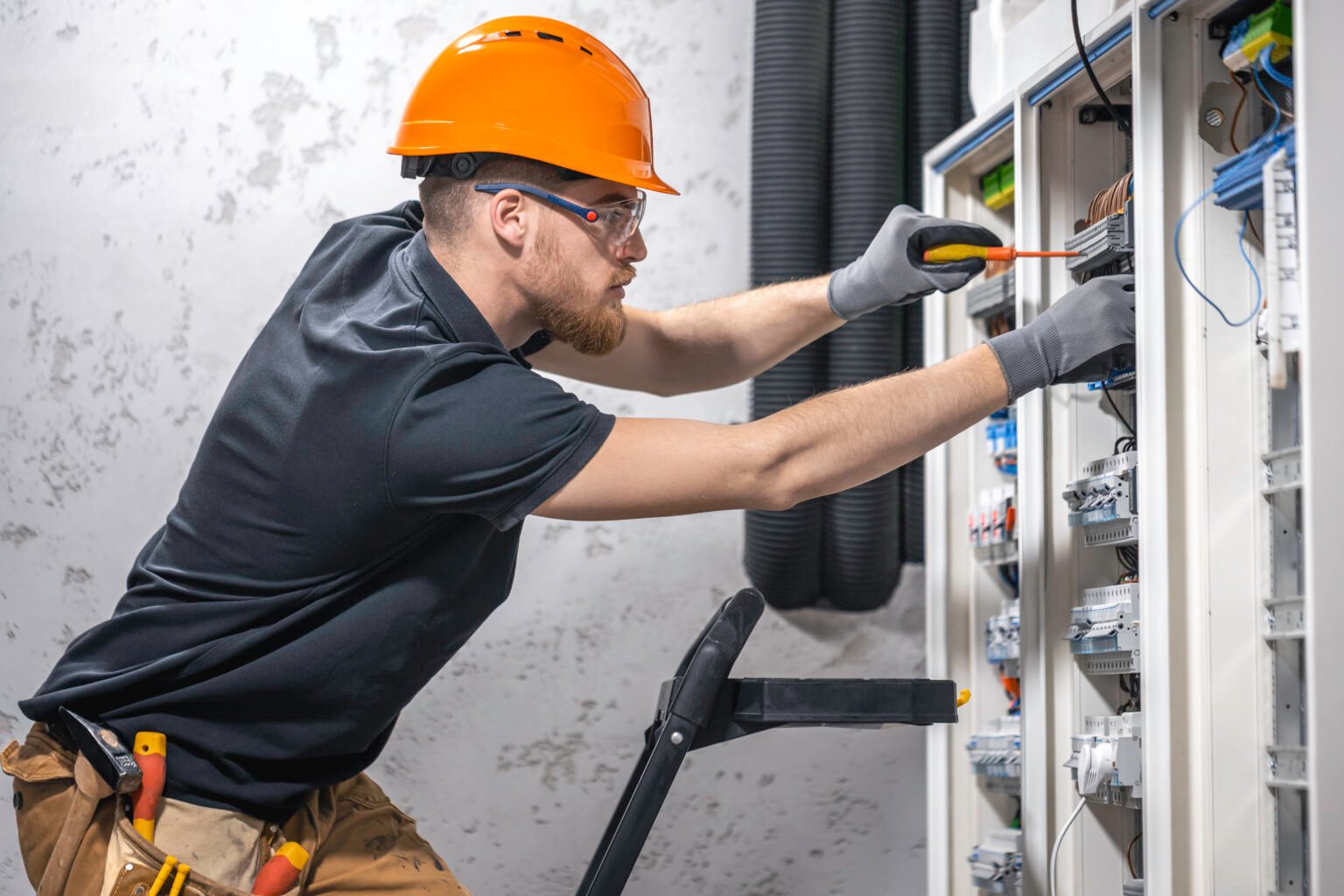
Electrician working on circuit breakers in a commercial switchboard

Installations, rewiring and distribution boards

New installations, refits and the boards that protect every circuit in the building.

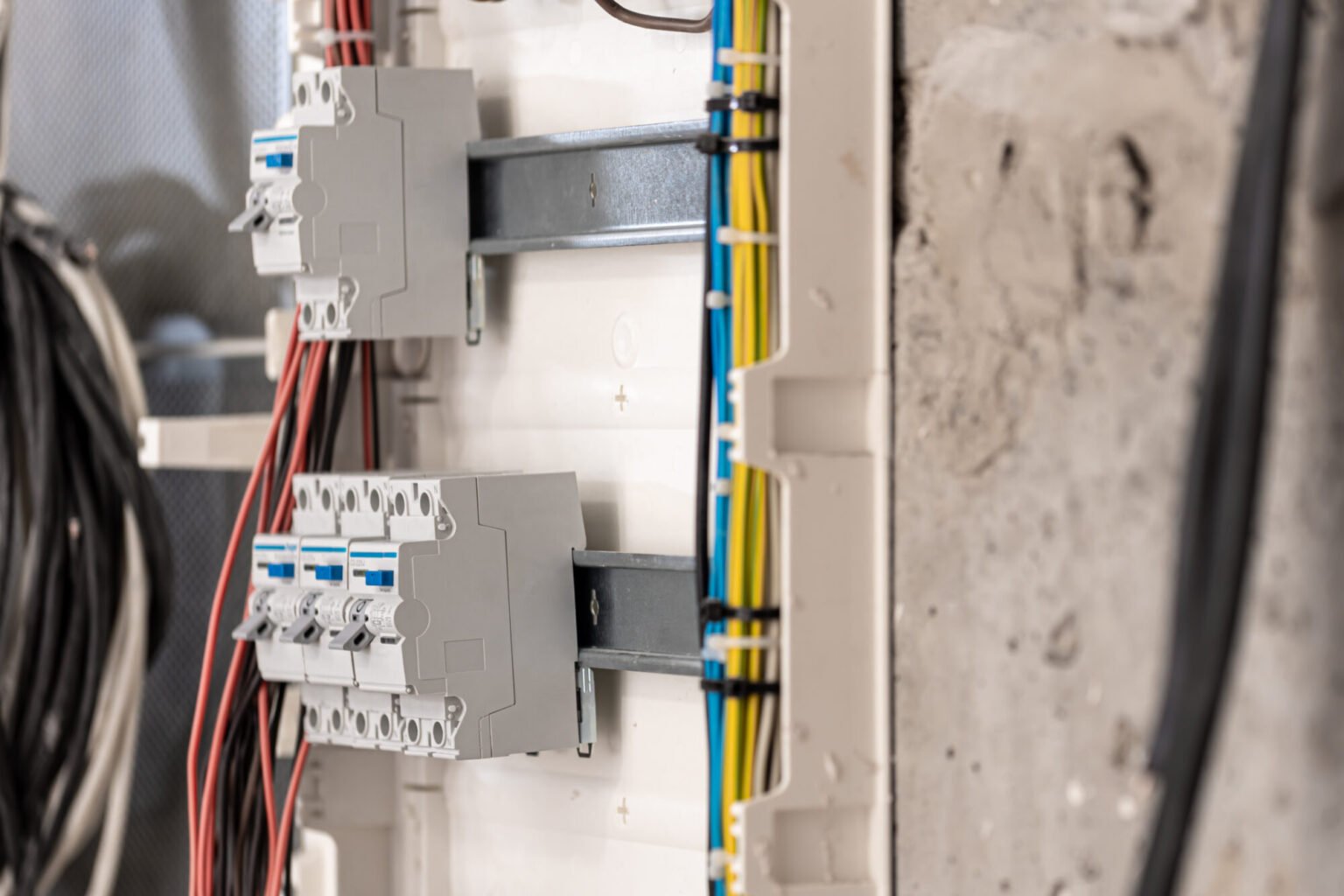
Circuit breakers and wiring in an electrical board

Commercial electrical installations

Power, lighting and equipment circuits for offices, shops, restaurants, hotels, warehouses and other premises, whether you are fitting out a new unit, changing how a space is used or expanding.

Commercial rewiring and refurbishment

Rewiring all or part of a building, and altering the installation when a space is refitted or desks, counters and partitions move.

Distribution boards and switchgear

Installing, upgrading and altering the boards and switchgear that divide the incoming supply into protected circuits, including adding circuits when an old board has no spare capacity.

Lighting, controls and emergency lighting

Lighting that suits the space and the work, uses less energy, and keeps escape routes lit if the power fails.

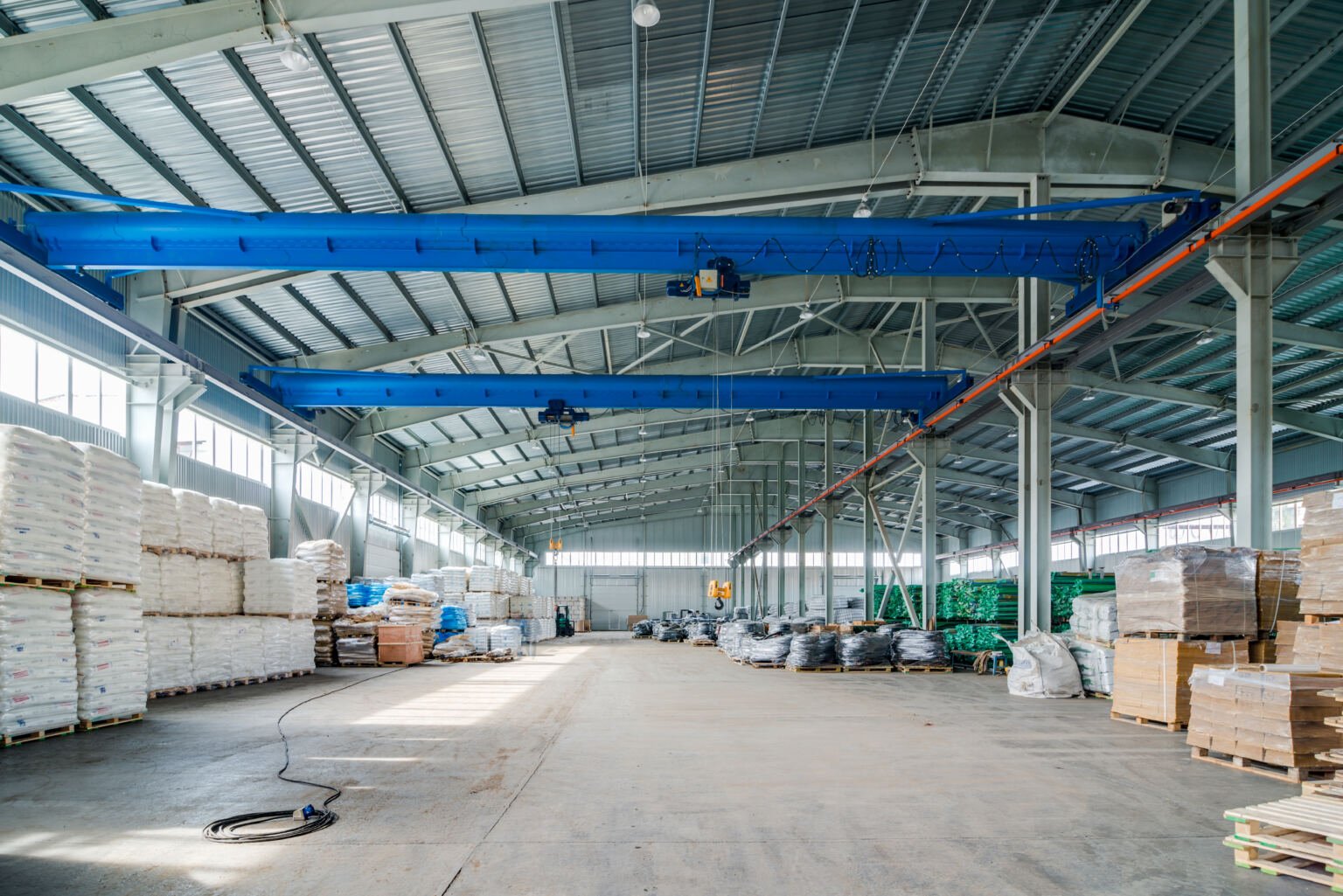
Bright warehouse with high-level lighting across the roof

Commercial lighting

LED upgrades, high-bay lighting for warehouses and tall spaces, display lighting for shops and showrooms, and external lighting for entrances and frontages.

Lighting controls

Occupancy sensors, timers and daylight controls, so lights are only on where and when they are needed.

Emergency lighting

Installation, testing, maintenance and repair of emergency lighting and illuminated exit signs. BS 5266-1 recommends a short functional test every month and a full-duration test, usually three hours, every year, with results kept in a logbook.

Inspection and testing

Checking that the fixed installation and your equipment are safe, with written records you can keep on file.

Commercial EICRs and remedial work

Periodic inspection and testing of the fixed installation, with a written report listing any defects by urgency. Insurers, landlords and leases often ask to see a current report, and we can carry out the remedial work needed for a satisfactory one.

Portable appliance testing (PAT)

Inspection and testing of workplace equipment that plugs in, from kettles and computers to power tools, with recorded results. The Electricity at Work Regulations 1989 require equipment that could cause danger to be maintained, and PAT records are a common way of showing this.

Planning work around your business?

Tell us your opening hours and quieter periods, and we’ll suggest timings that suit.

Maintenance for businesses, landlords and property managers

Keeping installations in good order, and dealing with faults when something stops working.

Planned electrical maintenance

Scheduled inspections and servicing of the installation, lighting and emergency lighting on an agreed programme, so problems are picked up before they disrupt the business.

Reactive electrical maintenance

Fault finding and repairs when circuits trip, lighting fails or equipment loses power.

Electrical maintenance for landlords and property managers

Communal lighting in stairs, corridors and entrances, shared supplies in buildings with several occupiers, and coordinated maintenance across multiple sites, with one contact for the electrical side of your portfolio.

EV charging, solar and heat pump supplies

Charging for staff and fleets, generating and storing electricity on site, and connecting electric heating.

Electric car connected to a charging point

Commercial EV charging

Chargers for workplaces and company fleets on dedicated circuits, with the incoming supply and the load on the installation checked first so chargers can be added safely.

Solar panel and battery storage installation

Solar PV on a commercial roof generates electricity during the day, when many businesses use the most. A battery keeps surplus generation for later, so more of it is used on site.

Electrical supplies for heat pumps

A dedicated supply and connections for heat pumps in commercial buildings, after checking the installation can take the load, working with the heating contractor.

Common questions

Can work be planned around our opening hours?

Yes. Tell us your opening hours and any quieter periods when you get in touch, and we’ll agree the timing with you before work starts.

How often does a commercial property need an EICR?

Industry guidance generally recommends a periodic inspection every five years for offices and shops, with shorter intervals for some types of premises. Your insurer or lease may also set a requirement, and the inspector may recommend a shorter interval depending on condition.

How often should equipment be PAT tested?

There is no single fixed interval. How often equipment needs inspecting and testing depends on the type of equipment, how it is used and where. Office equipment usually needs testing less often than tools used on site.

Who is responsible for emergency lighting tests?

The person responsible for the premises, usually the employer, owner or managing agent, needs to make sure emergency lighting is tested and maintained. Monthly checks can often be done in-house, with the annual full-duration test carried out by a competent person.

Tell us about your premises

Describe the building, what it is used for and the work you need. For inspection and testing, the size of the premises and the number of appliances helps us quote.